
Introduction: A Hidden Gem in Jacksonville
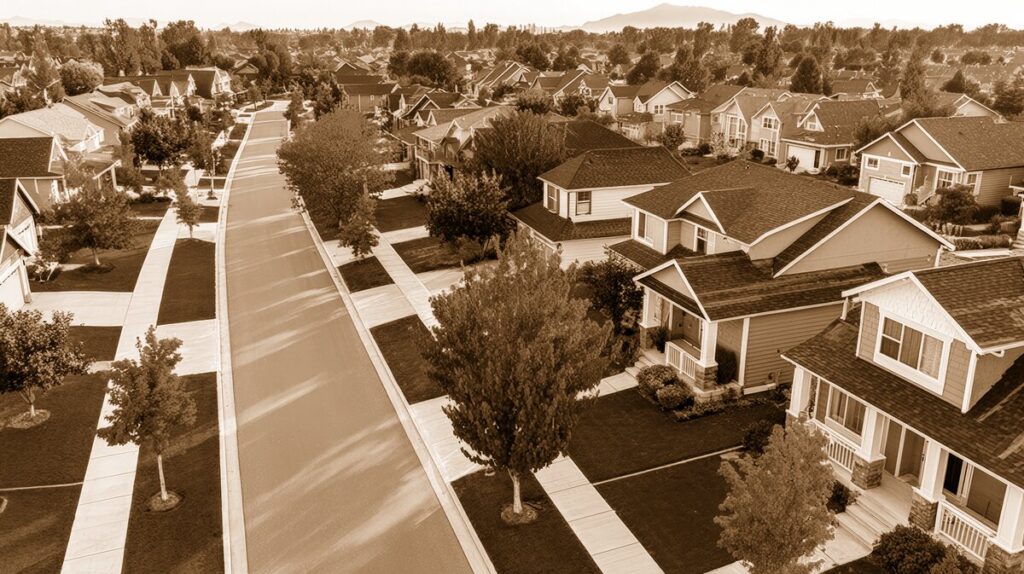
Nestled comfortably within Jacksonville, North Carolina, Pebble Crossing is more than just an address—it’s a piece of living history. Ask any resident, and they’ll quickly share stories of tree-lined sidewalks, weekend picnics at Cedar Grove Park, and a friendly spirit that echoes generations back. Pebble Crossing isn’t just a place where people live; it’s where rich local heritage and modern community pride intertwine, creating a neighborhood with heart and story.
Origins of Pebble Crossing
Pebble Crossing’s earliest chapters date back to the post-World War II era, when Jacksonville was exploding with growth. With the establishment and expansion of Camp Lejeune nearby, Jacksonville’s population swelled, and new neighborhoods were carefully planned to provide homes for both military families and local workers.
Enter the 1960s: Developers were drawn to the gently rolling landscape set between Gum Branch Road and the tranquil bends of New River. The land, once a mosaic of farmland and pine forest, was mapped out as a residential sanctuary. The neighborhood’s main thoroughfare, Pebble Crossing Drive, became its spine, later branching off into cozy cul-de-sacs like Magnolia Trace, Cedar Ridge Lane, and Willowstone Court.
How Pebble Crossing Got Its Name
Walk the sidewalks of Pebble Crossing and the answer lies beneath your feet. When builders first broke ground, they were met by a surprising layer of rounded river stones. These “pebbles” had been deposited over generations by the nearby creek, a gentle reminder of Jacksonville’s watery past. Naming the development Pebble Crossing honored both the natural landscape and the safe “crossing” it provided to new families carving out their lives here.
Longtime residents still find these smooth stones in their gardens, a charming connection back to the neighborhood’s earliest days.
Key Historical Milestones
Over the decades, Pebble Crossing has witnessed—and shaped—many milestones:
- 1972: Cedar Grove Park was established, quickly becoming the neighborhood’s green heart. To this day, the park’s playground and picnic pavilions are a backdrop for birthday parties and summer concerts.
- 1980s: The neighborhood association forms, giving residents a unified voice in city planning and hosting annual block parties along Pebble Crossing Drive.
- 1993: The old post office on Maplewood Avenue—now a beloved café—hosted Pebble Crossing’s first holiday bazaar, a tradition that continues to draw visitors from across Jacksonville every December.
- 2005–2010: Major revitalization efforts brought new sidewalks, improved street lighting, and the creation of the Heritage Mural at the Cedar Grove Park entrance, vividly depicting scenes from Pebble Crossing’s history.
- 2020s: The community center on Willowstone Court expands, now offering after-school programs and fitness classes for all ages, affirming the neighborhood’s commitment to inclusivity and growth.
Notable Landmarks and Institutions
What lends Pebble Crossing its unmistakable character are its enduring landmarks and spaces:
- Cedar Grove Park: Famous for its towering pecan trees and small fishing pond, the park is both a recreational hub and a peaceful retreat.
- The Heritage Mural: Located at the park entrance, this vibrant art piece captures Pebble Crossing’s journey from forest and farmland to the vibrant community it is today.
- Pebble Crossing Community Center: A hub for potlucks, yoga classes, and town meetings, the center embodies the neighborhood’s social spirit.
- The Old Maplewood Post Office: Now a cozy café, this building is cherished for its original hand-carved woodwork and historical photographs lining the walls.
Evolution Over the Decades
From its rural beginnings to its present-day warmth, Pebble Crossing has never stopped growing—or caring. Whatever era, a few constants sing true: neighborliness, pride in its local schools (with Pebble Crossing Elementary just a block off Willowstone Court), and the gentle blending of old and new.
- The original brick ranch homes have been joined in recent years by thoughtfully designed townhouses, making the neighborhood accessible to young families and retirees alike.
- Long after the first families settled, established oaks and fragrant magnolias now shade the sidewalks, adding natural beauty and a sense of tranquility.
Why Pebble Crossing Is Special
What truly makes Pebble Crossing stand out are the stories passed across backyard fences and at the annual summer potluck—stories of people who look out for each other, lend lawnmowers without asking, and share in the rhythm of the seasons. In Pebble Crossing, heritage isn’t something reserved for history books; it’s alive in every block party, every mural touch-up, and every stone picked from a garden bed.
Ask anyone who’s lived here, from those who remember the first mail delivery to the newest residents moving in on Cedar Ridge Lane, and they’ll tell you: Pebble Crossing isn’t just a neighborhood; it’s a home, with a history—and a bright future—all its own.